
South Dakota’s women homesteaders
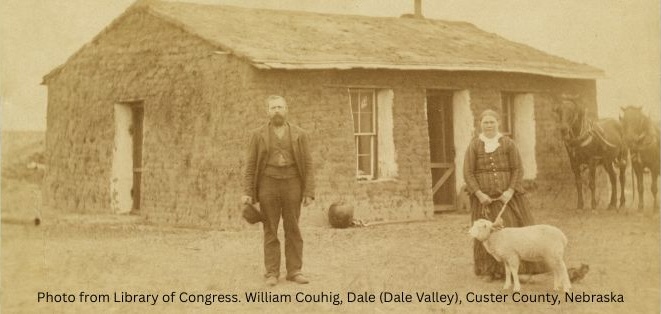
My historical fiction series, On the Dakota Frontier, tells the stories of women homesteaders who stake claims in Dakota Territory in the 1800s. And, while the stories are based on considerable research, they’re still fiction. Earlier this year, I was contacted regarding writing a nonfiction book about the real women homesteaders who came to South […]
Railroad slang and jargon
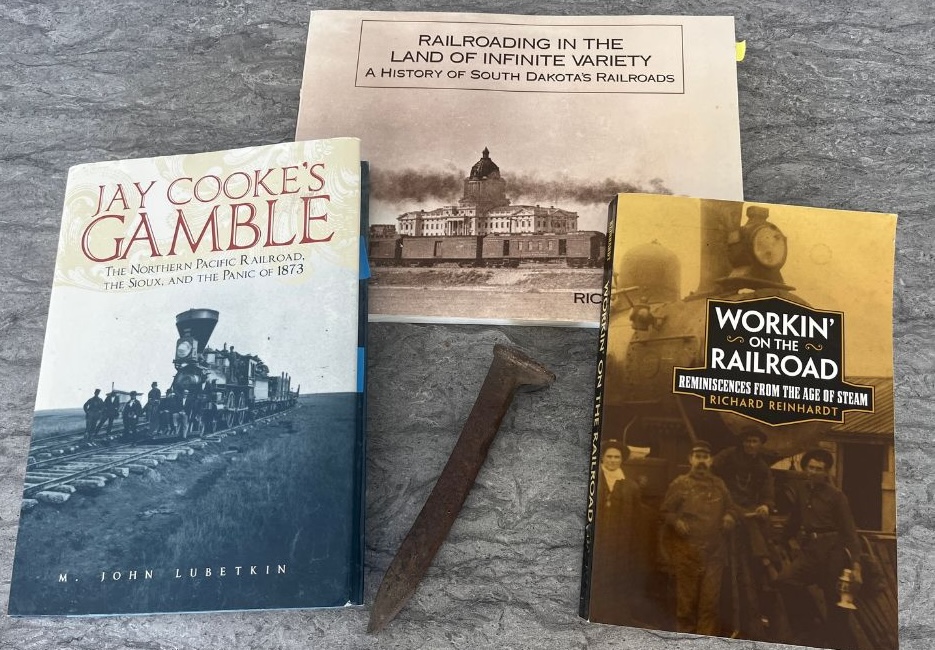
Some industries just have more colorful slang than others — as I learned when researching background information for Iron Horse Claim. Early railroading was a good example of unique jargon. Some railroad slang made it into the common lexicon, such as caboose, graveyard, pencil pusher, and riprap, while other railroad slang was strictly confined to […]
Windmills on the prairie
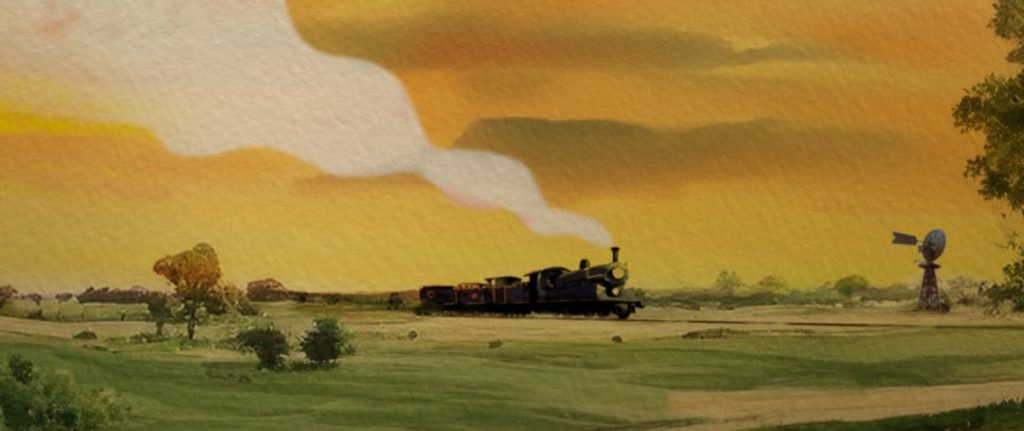
There are two themes running through Iron Horse Claim: railroads and windmills. Both of these innovations transformed the nation, particularly the West. Windmills had been around for centuries, but the ability to manufacture and mass-produce windmills didn’t occur until the mid-1800s. In 1854, Daniel Halladay designed the first self-regulating model. Other inventors followed, such as […]
Chapter epilogues
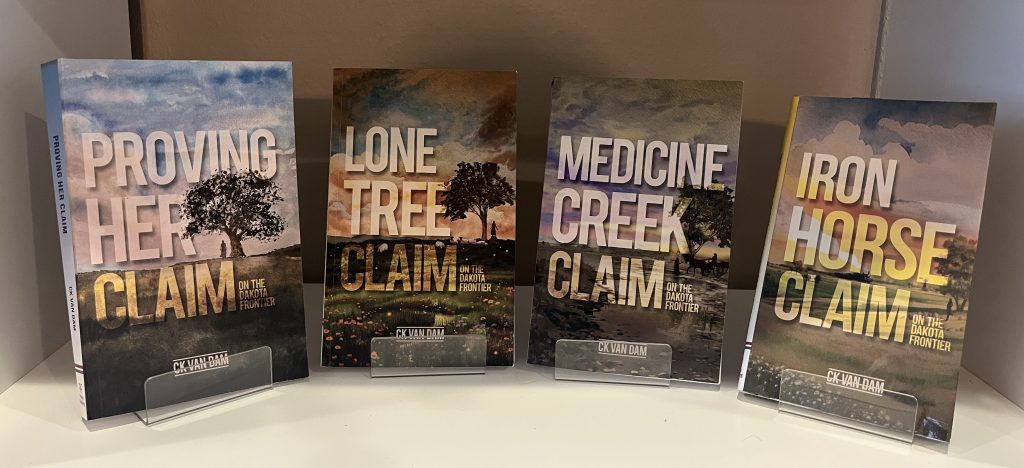
Epilogues – those summaries at the end of the book – are intended to provide closure to the story or offer a glimpse into what happens after the main narrative ends. Readers of the On the Dakota Frontier series are familiar with some sort of “chapter ender” element in all the books. Proving Her Claim used […]
Historical Research for Iron Horse Claim
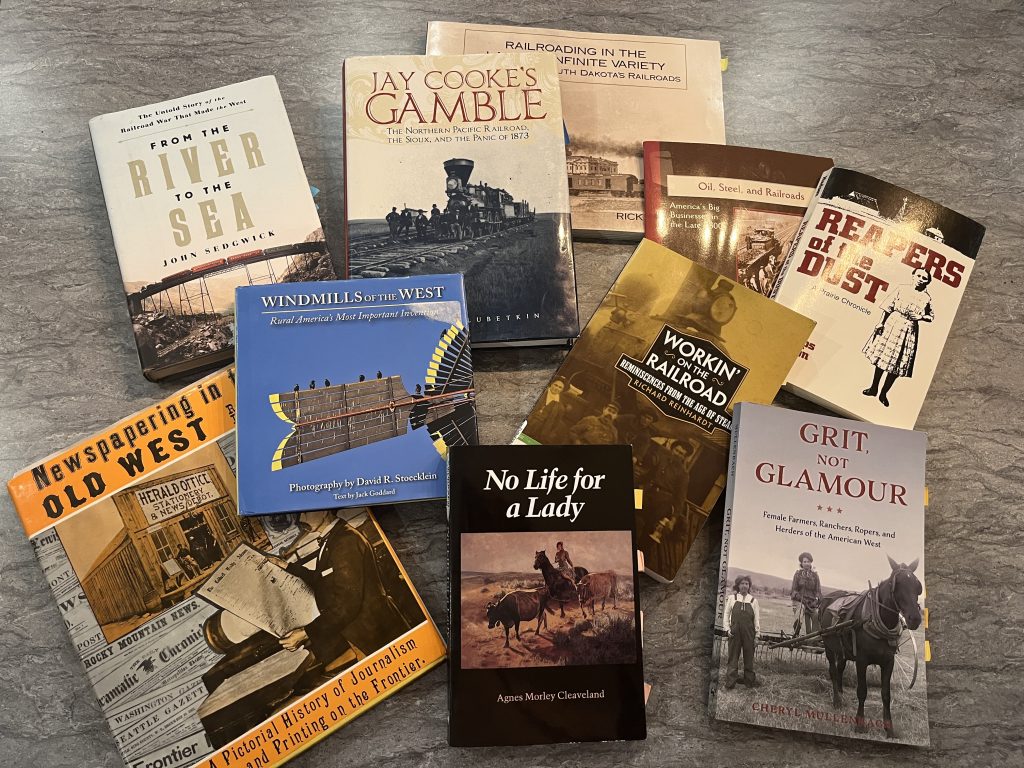
Historical novels rely on research for background, historical accuracy, and plot lines. Each “On the Dakota Frontier” book has required research before and during the writing. The fourth book in the series, Iron Horse Claim, is set in 1872. Unlike the other books, this is a sequel to Medicine Creek Claim – a continuation of […]
Research for When the Chokecherries Bloom
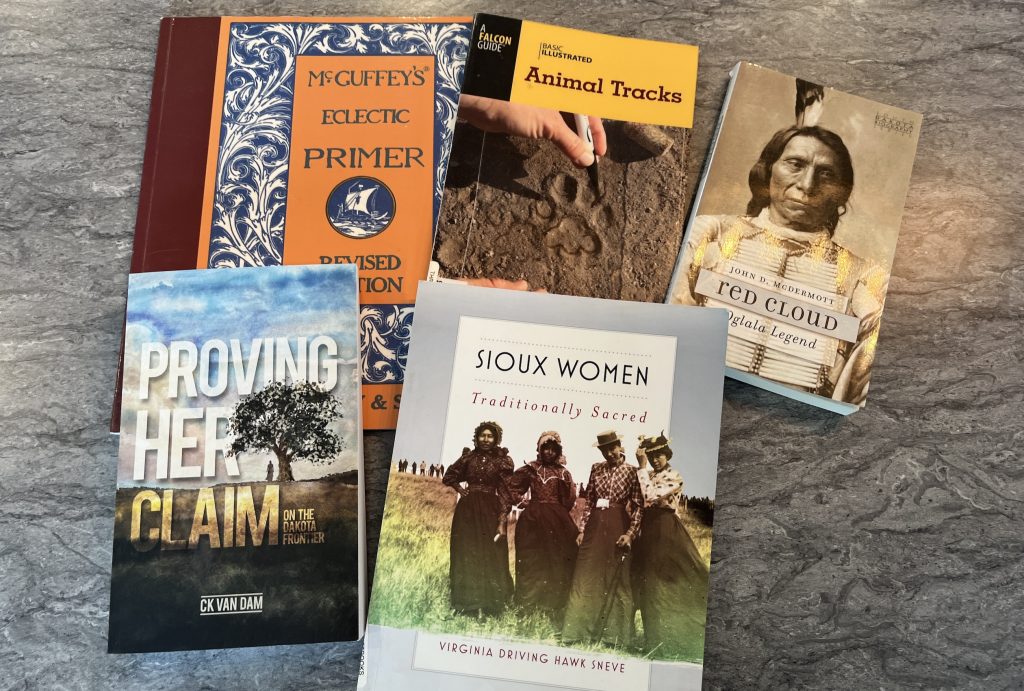
I felt that my newest book, When the Chokecherries Bloom, required special attention to detail – after all, I’m shaping young minds (Ok – a bit of an exaggeration)
Women Doctors in Dakota Territory
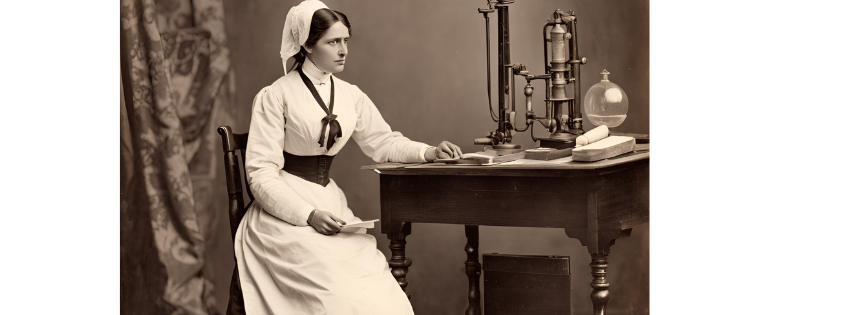
Medicine was an unconventional career path for women. In 1871, American Medical Association President Alfred Stille stated that women were “morally unfit” to be physicians.
Civil War Reenactment Brings the Era to Life
Edit Column
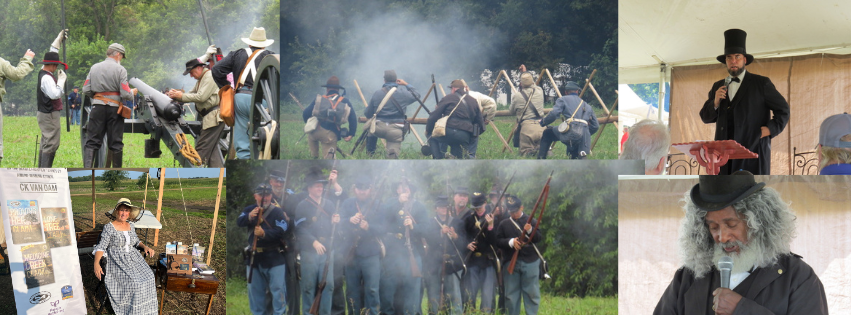
The Civil War came to South Dakota when nearly 150 reenactors spent two days in August on a field near Canton, SD.
Medicine Creek Claim Research
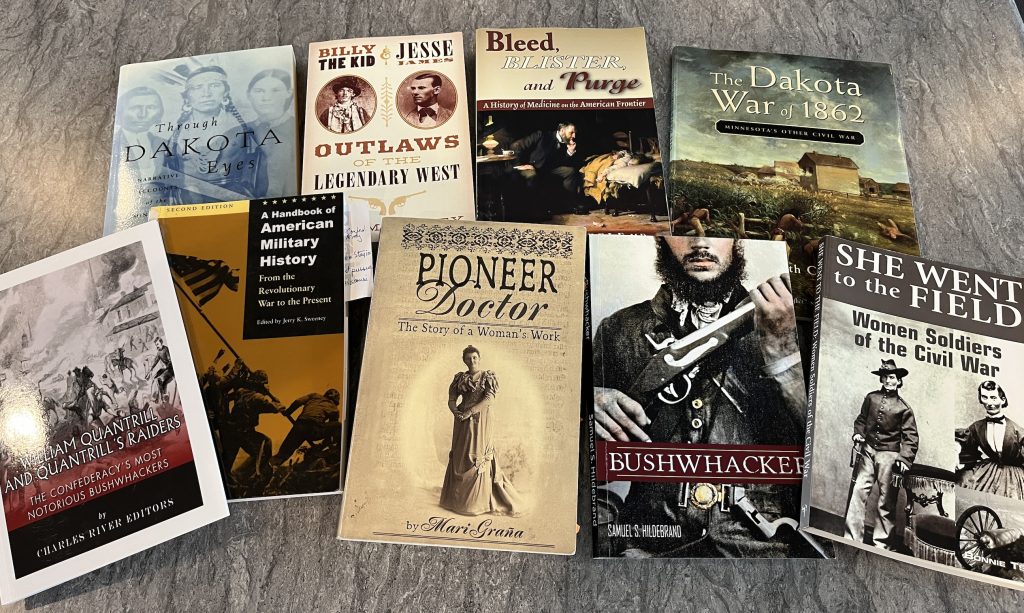
Before I started writing Medicine Creek Claim, the third book in the series, I did some research – and a lot of reading.